 COME
COMECOME APK installation: source addresses and browser permissions
Follow the Android sequence from the external COME app page to a saved package, installation and first opening. The focused questions here cover download source identity, redirects and browser prompts.
COME Android app details
- Product: COME. Package format discussed: Android APK.
- Version in the current listing: v1.13. Package size in that listing: 3.1MB.
- APK information reviewed on 20 September 2026.
The version identifies the listed release; the date tells you when this information was checked. The package size is the transfer figure, while Android can use more storage after installation. Read the release offered by the app page before changing an existing installation.
Read the source as well as the button
A notification permission, a hidden file extension or a redirect can change what you think a download action did. Read the requester, complete file type and final destination before treating a page as an installer source.
Browser notification permission is separate from saving or installing a COME APK. Read the requested permission and use the page without granting unrelated access. A shortened filename in Android Files may hide useful details. Inspect the complete name and type before deciding whether an item is the COME Android package.
Before the transfer
Use the Android device that will receive the app and a connection you expect to keep during the transfer. Check available internal storage rather than comparing the package size with total device capacity. Android can need temporary installation space as well as space for the app and its later data. There is no universal free-space figure implied by the 3.1MB listing.
If COME already works on the phone, record its version and make sure the existing account remains accessible. That gives an update a clear starting point. Keep a note of the source and the offered identifier. The objective is to move from a known working state to an understood release, not to remove the current app as a diagnostic experiment.
Download and installation sequence
1. Open the COME app page through the main button. A web page is the first destination. Identify its Android option if one is offered and read the file details before starting a transfer.
2. Start one transfer and use the browser's Downloads screen to observe it. A pending or interrupted entry is different from a completed one. If a network change interrupts the task, use the browser's own supported resume or retry option.
3. Select the completed package deliberately. Android should handle the installation step. Check the displayed app identity and keep the exact wording of any error; a file-opening problem and an installer rejection need different investigation.
4. If Android presents a normal source-installation permission, read the browser or file app named in it. Consider only the source you intentionally selected. Keep Play Protect enabled; a harmful-app warning is a reason to stop and follow protective guidance, not to disable security.
5. Wait for Android's installation result. If it succeeds, open the recognised app entry. A shortcut, a saved file and the installed app can look related but have different functions. Account access follows opening the app and is not established by the installation result alone.
Updating an existing installation
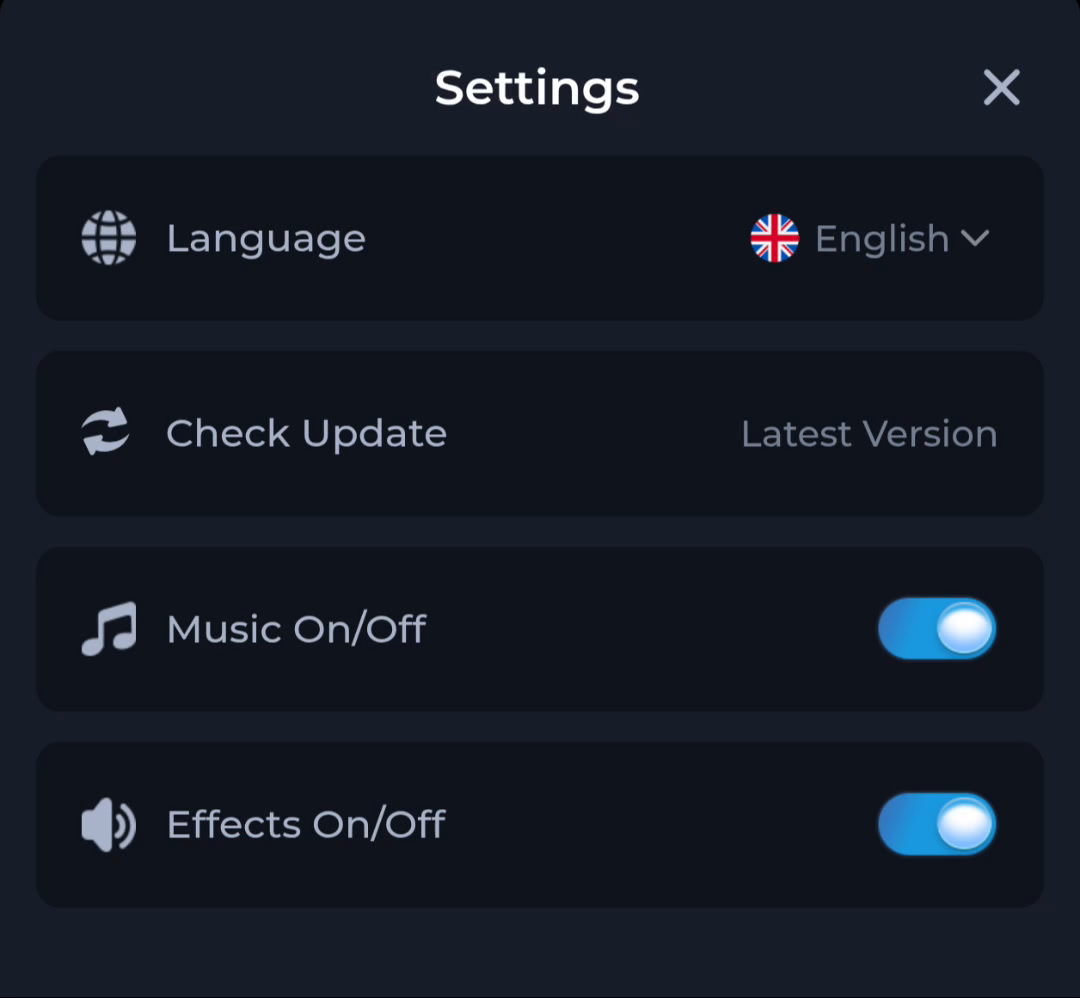
Use Check Update in COME Settings for the update task, and use an actual version field to compare releases. The words Latest Version describe a status, while v1.13 is the release identifier in the current listing. A page's editing date or a downloaded filename ending in (1) cannot replace that comparison.
An update failure can involve a damaged transfer, an incompatible release, available storage or a conflict with an existing installation. The phrase App not installed does not diagnose which one occurred. Record the exact message and compare the current source and device information before changing anything. Preserve account access and avoid uninstalling a working copy simply to try another unexplained file.
Follow the branch matching the result
If the app page opened but no download entry exists, inspect the page's offered action rather than claiming the file failed halfway. If a transfer remains pending, restore a stable connection and use its own control. If Android refuses installation, keep the full error and device details. If installation succeeds but the app does not load, examine connectivity and the actual app symptom separately from file transfer.
A useful help request states the stage, the last action, the exact message and the time. It does not need a password, one-time code, payment PIN or full financial identifier. The relevant in-app help category is useful for account and service problems; Android's own guidance is appropriate for installer and device-protection messages.
Other devices and sources
An APK cannot be installed directly as an iPhone app. It is also not a Windows or macOS executable just because it was downloaded on a computer. Do not convert extensions, use an unknown mirror or install an unverified emulator to make a mismatched platform appear compatible. A real alternative platform offering must be identified independently.
A Google Play result with a similar name is another listing to evaluate, not automatic evidence that two products are identical. Read the product and publisher context rather than joining every COME search result into one application. Keep the original source with the package when moving it between your own devices.
A clear completion check
The browser should show a completed transfer, Android should give a completed installation result, and the expected app should open. If you use an existing account, verify that access through its recognised route. These checks describe different parts of the process. Stop at the first unresolved result and investigate it rather than repeating the whole sequence.
Focused help for this stage
Browser notification permission is separate from saving or installing a COME APK. Read the requested permission and use the page without granting unrelated access.
A COME download page asks for notifications
A shortened filename in Android Files may hide useful details. Inspect the complete name and type before deciding whether an item is the COME Android package.
COME file name has no visible .apk ending
A redirect during a COME APK visit needs a fresh destination check. The original address does not automatically establish the identity of every page reached afterwards.
COME APK source redirects to another hostname
Google guidance on installing Android apps
Read the COME product overview